October 9, 2026
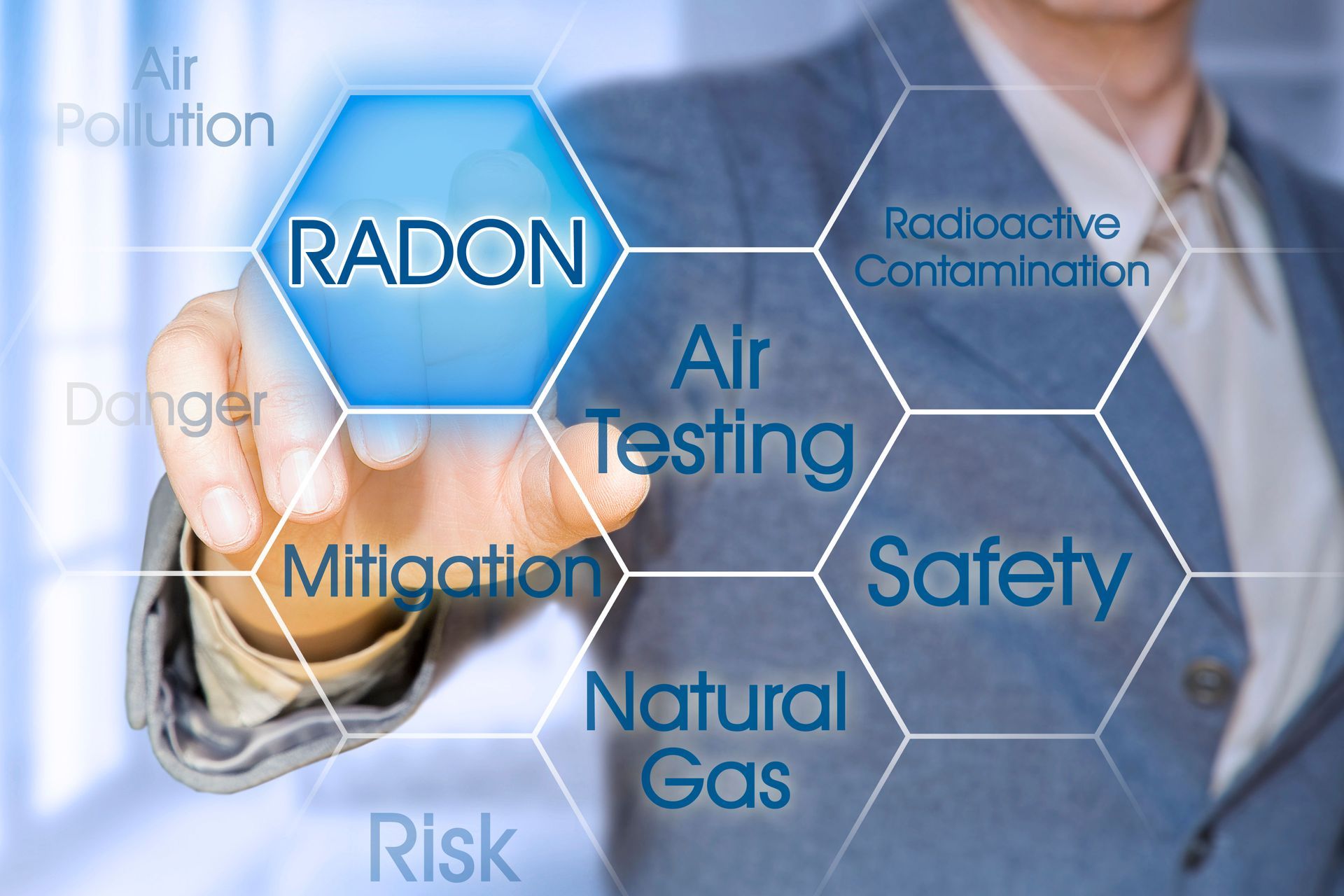
Comprehending the gas levels in your residence is crucial for ensuring a safe living environment. This guide aims to explain how to interpret test results, when to be concerned, and the necessary actions to reduce potential risks. Health and safety remain our top priorities throughout this entire evaluation process. To maintain a healthy household, securing accurate radon testing services is the perfect first step toward total peace of mind.
Identifying Radon Gas and its Properties
Radon is a naturally occurring radioactive gas that is odorless and colorless, making it difficult to detect without proper equipment. It originates from the decay of uranium, which is found in soil and rocks. This invisible hazard can seep into homes through cracks in floors, walls, and foundations. Given these properties, it can easily accumulate in closed spaces, particularly in basements and lower levels of buildings. Grasping this invisible nature is the first step in recognizing the threat within our spaces.
Tracing the Origin and Formation of Radon
This radioactive journey begins deep within the earth as uranium undergoes a series of decay processes. As uranium breaks down, it forms radium, which eventually decays into the harmful gas. Due to high mobility, this element travels rapidly through air and water sources. Geological formations such as granite or shale-rich areas might have higher concentrations of uranium, thus increasing local hazard levels. Homeowners need to be aware of their geographic location's potential to understand their specific risks.
Evaluating Health Risks Associated With Radon Exposure
Long-term exposure is identified as a leading cause of lung cancer, second only to smoking. The inhalation of decay products results in radiation exposure to lung tissue, which increases cancer risk over time. These health implications are particularly severe for smokers due to the synergistic effects of smoke and the radioactive element. Despite these hazards, many individuals remain uninformed about the severe risks. Recognition of this threat underscores the importance of prompt action and proper radon testing and mitigation.
Choosing Between Types of Radon Test Kits
Various measurement kits are designed for home use, allowing residents to check their indoor air quality. Passive kits, like charcoal canisters and alpha-track detectors, do not require electricity and are often used for initial screenings. Active testing devices require power and provide continuous readings, which are often preferred for more accurate monitoring. Choosing the right method depends on your need for immediacy and accuracy. Regardless of the route chosen, utilizing professional radon testing services ensures the most dependable data for your property.
Comparing Short-Term and Long-Term Testing Methods
Short-term evaluations provide a snapshot of atmospheric conditions over a period of two to ninety days and serve as excellent initial assessments. These initial checks can reveal elevated concentrations quickly, prompting timely mitigation actions if necessary. Extended evaluations monitor the environment for more than ninety days, offering a highly accurate average. This comprehensive approach reduces uncertainties related to seasonal and environmental fluctuations. Extended data is reliable and crucial for making informed property decisions.
Interpreting Your Initial Test Results
Grasping your results involves knowing the recommended action levels set by health authorities. If your initial screens show elevated numbers, conducting follow-up evaluations can confirm the findings before deciding on permanent property modifications. Assessing the data also involves considering personal risk factors, such as smoking, which compounds the associated health risks. Homeowners should consult experts if the readings are unexpected or require advanced analysis. Reaching out to local radon testing services can clarify confusing numbers and guide your next steps.
Seeking Professional Assessment Options
Expert evaluators offer precision and advanced equipment that provide highly comprehensive property evaluations. Homeowners should consider professional intervention if initial screens are inconclusive or technical challenges suddenly arise. Qualified professionals utilize advanced instruments capable of delivering detailed assessments while identifying entry points and leakage areas effectively. Those planning significant home renovations might benefit from expert advice to anticipate structural issues. Engaging in routine radon testing services paves the way for an accurate diagnosis and robust resolution strategies.
Differentiating Between Healthy and Hazardous Radon Levels
Contextually, numbers below two pCi/L are generally considered acceptable, with minimal intervention recommended. Readings between two and four pCi/L suggest moderate exposure and might merit closer monitoring or mild adjustments. According to This Old House, the EPA advises homeowners to take mitigation action once radon concentrations reach 4 picocuries per liter (pCi/L) or above. Levels surpassing this threshold are firmly deemed hazardous, requiring prompt actions to reduce exposure. Recognizing these critical thresholds is vital when assessing household dangers logically.
Taking Immediate Actions Based on High Radon Levels
Once elevated numbers are detected, prompt steps must be taken to reduce health risks, starting with better property ventilation. Increasing airflow by opening windows and using fans can temporarily dilute the harmful concentration inside your residence. Homeowners should quickly schedule comprehensive radon testing services to verify the problem before installing permanent fixes. It is advised to conduct post-installation assessments to verify the effectiveness of the mechanical efforts. Swift and informed actions safely guard families from prolonged dangerous exposure.
Following EPA Standards and Recommendations
The Environmental Protection Agency provides federal guidance on indoor safety, establishing action levels for residential properties across the nation. The recommended threshold of four pCi/L is crucial to decision-making regarding permanent building interventions. Above this limit, residents are strongly advised to secure proper radon testing services and implement effective reduction strategies to curb exposure risks. Establishing national benchmarks supports unified public health initiatives, allowing for streamlined education and broad awareness efforts. Adhering to these federal recommendations aids families in maintaining safe living environments.
Implementing Effective Radon Reduction Systems
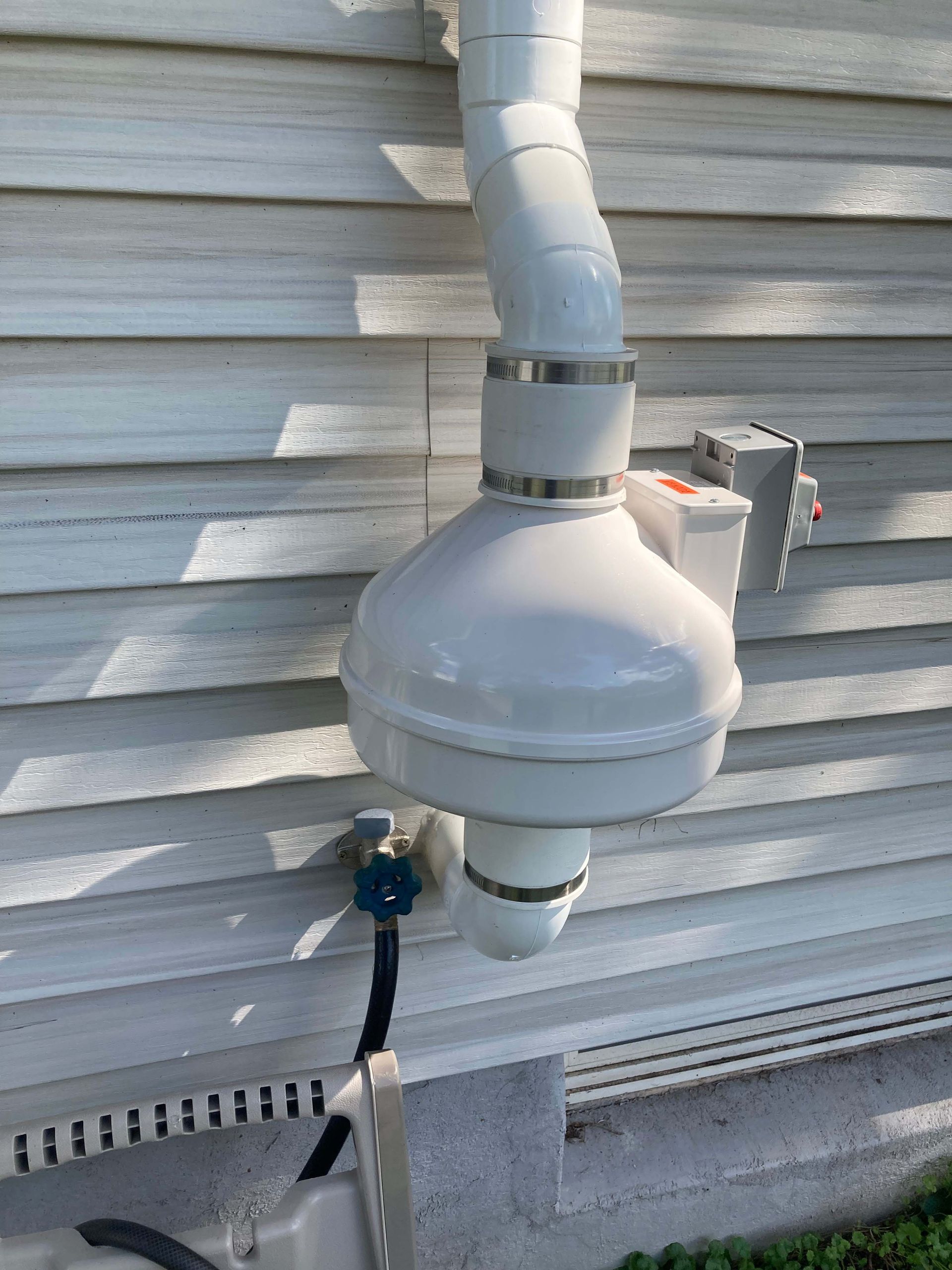
The choice of appropriate mechanical systems is essential for effectively reducing indoor gas concentrations. Common methods include soil suction, which vents the harmful element from beneath the foundation, and structural pressurization to limit entry points. Sub-slab depressurization is highly effective for houses with basements, while crawl space options often rely on heavy encapsulation. The decision often depends on factors such as building architecture, precise hazard levels, and budgetary constraints. Professionals can easily tailor these solutions to meet specific household needs perfectly.
Preparing Your Home for Professional Mitigation
Prior to installing advanced systems, homeowners can take several foundational steps to prepare their property. Improving baseline ventilation is a straightforward method, accomplished by regularly opening windows to increase fresh airflow. Sealing large, visible cracks in concrete floors and basement walls aids in minimizing basic entry points before the main equipment is placed. While these preparatory measures are helpful, they are merely supplementary to mechanical extraction. A fully functional system requires advanced engineering that cannot be achieved through basic patching alone.
Conducting Post-Mitigation Testing and Verification
After a contractor finishes installing the reduction systems, conducting a follow-up evaluation is critical for confirming the true effectiveness of the effort. These rigorous evaluations should occur within a few weeks after the official installation to assess if the hazardous levels have successfully decreased. Securing independent radon testing services helps spot any anomalies in the new system's performance swiftly and accurately. Such professional verifications ensure ongoing protection and provide immense peace of mind for the entire family.
Addressing this invisible but significant hazard requires immediate and highly informed residential action. By properly grasping the exact nature of the threat and acting decisively on the subsequent data, you easily protect your loved ones while enhancing your environment. When you need expert help, we are here to support your journey. Whether you require general guidance or comprehensive radon mitigation in Grand Junction and Gypsum, we provide the effective solutions your family deserves. Reach out to us at Stanton Radon today, and let our dedicated team safeguard your property for the future by offering our premium radon testing services.